Every migrant packs a bag, and every bag is a small, unfair argument in your own head about what matters most. You are allowed so much weight, so much space, so many worries, and everything else has to stay. Watch someone pack who is leaving home for the first time and you will learn more about them in an hour than in a year of conversation. The bag is honest in a way people rarely are.
The useful things are easy to explain. Documents, medicines, a phone charger, enough clothes, maybe a fold of money nobody is supposed to know about. These go in first, in the order of fear more than sense. Anybody can read the official list. But the real packing happens in the second pass — the small things that have no official purpose and get slipped in anyway, at the last minute, half hidden under a sock.
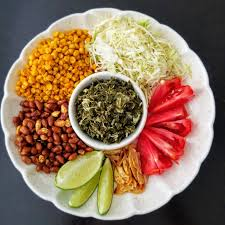
For a lot of people from Myanmar it is the food. Not a meal — a seed, a paste, a jar of tea leaf, a bundle of dried shrimp, the spice mix that the supermarket here sells under the wrong name or not at all. You cannot always find the thing that tastes like the kitchen you grew up in, and tasting that again is how homesick people stay somewhere new. So the bag carries a bit of home that is eatable, which is the most portable kind of home there is. When you are tired and the new place feels thin, you open the jar and you are briefly back, and that is worth the space it takes.
Then there are the objects that make no sense to anyone except the person carrying them, and those are the truest. A photo folded once too many times, a jacket that belonged to someone, a stone from a certain riverbank, a package of letters. They are not useful and they are not heavy, and that is exactly why they travel — because they are the lightest way to carry people whom you are leaving behind. A bag can hold distance better than a phone can, and it can hold it more quietly.
What we leave is heavier and harder to name. We leave the grandmother who said she would be fine, and we know she will not really be fine, and we go anyway because going is also love. We leave the plot of land, the job that does not pay enough to stay, the language spoken every day, the version of ourselves that only made sense in one address. Some of it we leave deliberately, as a gift, so that the leaving does not drag the ones who stay down with it. Some of it we leave because we have no room, and we tell ourselves we will come back for it, and sometimes we do not.
People talk about the border as a line on a map, but it is also the edge of a bag. Everything you could not fit or could not bring yourself to take stays on one side of it. The courage of a migrant is not in crossing the border. It is in deciding, out loud to yourself, which of your whole life fits in a suitcase, and then trusting that choice enough to walk through with it.
So the bag goes with you — the charger, the spice, the photo folded too many times, the letters. And bit by bit, if you are lucky, the new place stops feeling thin, and you start putting the new things you found here into the bag too, because you will be carrying this one home as well some day. That is the quietest part of moving: it never really ends, and the bag is never quite finished being packed.