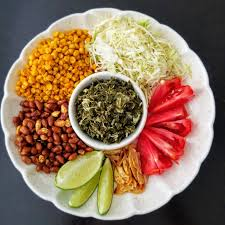
The tea shop is open before most people are awake, and again in the middle of the afternoon, and again after dark. It does not follow office hours, because it follows the lives of the people who use it. In the morning it fills with the smell of sweetened milk boiling and the clatter of small glasses and the low hum of men reading newspapers they have had to read quickly, and leaving the sections they want for later.
The tea arrives in a glass, never a delicate cup, and it is strong and milky and very sweet unless you say otherwise. There is an art to it that the best tea shops treat with real seriousness, the ratio of brew to milk, the right sweetness, whether to add a little condensed milk at the end. People have a house tea shop they swear by, and they can taste the difference between one place and another the way other people taste a wine.
What you actually come for is not the tea. It is the table, and the fact that no one is in a hurry. Business gets settled here, deals done with a handshake that the tea has blessed. Arguments get resolved. Friendships that have outlived every form of communication still find their way back to this table. It is a living room, a meeting room, and a newsroom all at once, and it has been for as long as anyone remembers.
When Burmese people moved abroad, they missed the tea shop more than most people expect. It is not that the tea itself is hard to find; it is that nobody has quite replicated the table. In Singapore, the closest thing is the food court at Peninsula Plaza, where the same men who would have taken a newspaper to the tea shop now take a phone and a long conversation about whatever is happening back home, under fluorescent lights that are nothing like home but somehow make the ritual work anyway.
I have stopped being surprised by how much a community can rebuild of a specific place somewhere else. The exact room, the exact light, those are gone. But the thing the tea shop was really for, the unhurried sitting together of people who share more than they will ever say, that travels. It finds a new glass, a new table, a new hour. It is, quietly, a small version of home that people carry in their habits. If you want to understand what Burmese people love, start at a table like this one and take your time.